
Problem Statement
Forest degradation and land use change in Mexico continue to threaten key ecosystem services such as water capture, carbon sequestration, and biodiversity conservation. Despite the availability of technological tools, there is limited on-the-ground engagement, especially among youth, to explore, understand, and protect forested areas.
Target Group
The Forest Monitor project is now focused on empowering young people across Mexico, equipping them with the knowledge and experiences to explore and care for forest ecosystems through outdoor recreational and athletic activities.
Proposed Solution
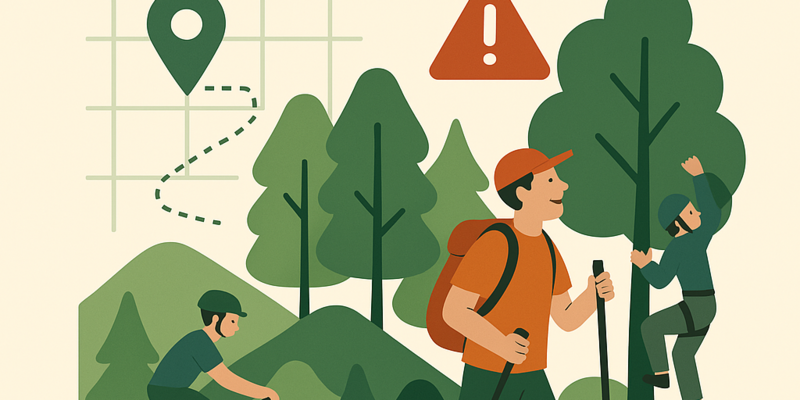
Forest Monitor will use publicly available satellite and geographic information systems to identify high-priority forest areas. These identified sites will then become the focus of in-field activities with youth, such as hiking, mountain biking, and climbing, combined with hands-on environmental education and conservation practices.
Core Activities of the Project
Use of GIS and satellite data to locate and prioritize critical forest zones for exploration and protection.
Organization of guided field expeditions with youth, integrating recreational (e.g., hiking) and athletic (e.g., cycling, climbing) activities.
Capacity-building workshops for youth on forest ecology, conservation, and sustainable land use.
Community engagement and awareness campaigns led by youth to promote local forest stewardship.
Short and Long-Term Objectives
Short term:
Inspire youth engagement in forest conservation through accessible, physical, and educational outdoor experiences; build their knowledge of ecological systems and their role in protecting them.
Long term:
Foster a generation of environmental stewards capable of leading conservation efforts, reduce forest degradation through increased local engagement, and promote the sustainable use and appreciation of natural areas.
Available Metrics
Number of youth trained and actively participating in forest conservation activities.
Number of guided field activities conducted in priority areas.
Increase in community awareness and participation in forest protection initiatives.
Observable improvements or maintenance of forest conditions in monitored sites.
Project Collaborators
Local and national environmental agencies and organizations; youth groups; outdoor sports associations; and government bodies using open geographic data systems: CONAFOR, SEMARNAT, SEMACCDET, INEGI.